NBA 2K26 MyTEAM Mobile
- 4.6
- Rating
- 1.00M
- Installs
- Free
- Price

 Analysis by App-foxy
NBA 2K26 MyTEAM Mobile immediately feels like a companion built for basketball fans who want to manage an NBA and WNBA lineup away from a console or computer. I found its appeal less in offering a miniature version of every possible basketball experience and more in putting team-building decisions into a format that suits short sessions. It is a free sports game from 2K, Inc., a Take-Two Interactive affiliate, and its central idea is simple: keep working on a collection of stars, make choices about your lineup, and return whenever you have a few minutes.
That focus gives the game a clear identity. I would not approach it expecting a deep standalone simulation with the same feel as a full console release. I would approach it as a mobile MyTEAM experience, where the pleasure comes from shaping a roster, checking what needs attention, and deciding how to spend the next small block of time. The strongest reason to try it is the combination of basketball identity and quick team-management decisions.
The game is listed for Everyone, runs on Android versions from 9 onward, and is free to install. It also includes optional purchases ranging from $1.99 to $149.99 per item, which is important to understand before settling into the collection loop. The current version is 403.03.505308211, and the app has already attracted over 100 thousand installs. Its average rating is 4.7 from around 11 thousand ratings, a useful sign that the basic experience connects with many players, although a rating alone cannot tell you whether its spending model or session structure will suit you.
You May Also Like

 Google Keep - Notes and lists
Google Keep’s Quiet Growth Shows the Appeal of Simpler Notes
As mobile work gets busier, Google Keep keeps winning a simple contest: capture a thought quickly, find it later, and get on with the day.

 Blood Strike: 2.5 Anniversary
Blood Strike’s Loadouts Turn Every Drop Into a Tactical Gamble
A close look at Blood Strike’s custom loadouts: how fast access to signature weapons reshapes its battle royale rhythm, rewards preparation, and narrows the gap between fights.

 Pandora - Music & Podcasts
Pandora’s Music Is Easy to Start, but Harder to Recover
Pandora’s strength is its low-effort path from a seed to a station. Its weak spot is how much confidence it asks you to place in connection, setup, and quiet recovery.

 8 Ball Pool
 Is Built on Rivalries, Rematches, and Routine
A close look at the rivalries, rematches, shared routines, and unanswered safety questions that turn a quick pool match into a persistent mobile community.

 Samsung Music
’s Quiet Strength Is Playing What You Already Own
Its reach comes less from spectacle than from dependable access to a personal library. That simplicity is both the app’s strongest retention engine and its ceiling.

 AccuWeather: Weather Radar
AccuWeather Review: A Quick, Clear Forecast for Everyday Decisions
For everyday plans, the best forecast is the one you can understand quickly. AccuWeather makes rain timing, radar, and local conditions easy to act on, with a few trade-offs.
More From Our News Desk



What the first session communicates
My first impression is that the app wants to reduce the distance between following basketball and making basketball-related decisions. Instead of presenting itself as a broad arcade package, it places the lineup at the center of attention. That makes the opening experience easy to understand: your roster is not just a menu of names, but the part of the game you are expected to keep examining and improving.
This is also where the mobile format makes sense. A phone is always nearby, so a roster-focused game can fit naturally into a commute, a lunch break, or the few minutes before going to sleep. I can imagine opening it after watching a real game and wondering how a particular star would change my own lineup. That kind of everyday connection is more convincing than trying to imitate a full living-room basketball session on a smaller screen.
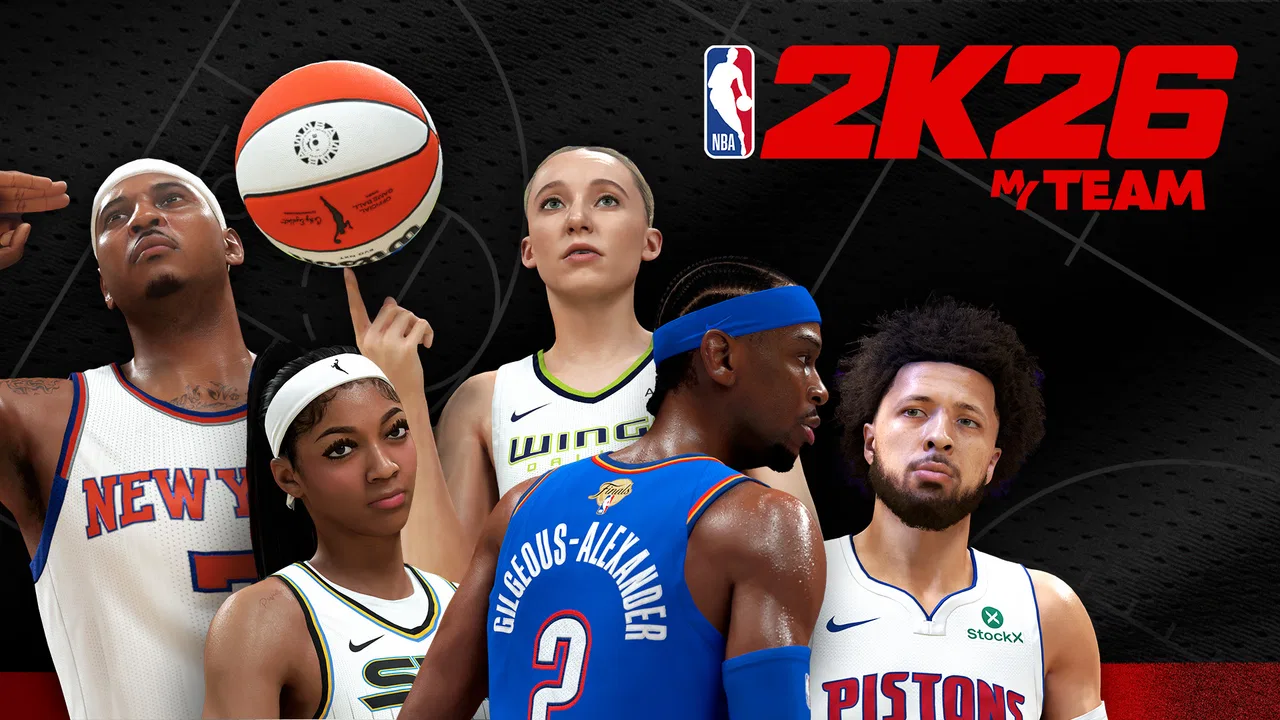
The presentation has a polished sports-game attitude, but I think the most successful visual choice is its emphasis on recognizable basketball personalities. The NBA and WNBA focus gives the collection a strong sense of place even when I am only looking at lineup decisions. Player identity matters here because the roster is the story: every change feels like a statement about the kind of team I want to build.
There is a trade-off. Players who want immediate, continuous on-court action may find the management emphasis less exciting than a traditional basketball game. The app is better suited to someone who enjoys evaluating options than to someone who wants every session to be a complete match from tip-off to final buzzer. I would skip it if my main goal were a pure reflex-based sports game with no interest in collection decisions.
Why the mobile setting works
The phone screen changes how I judge the experience. On a console, I expect a long session and a broad set of controls. On mobile, I value clarity, quick decisions, and the ability to stop without feeling that I have abandoned a major event. NBA 2K26 MyTEAM Mobile benefits from that expectation because its lineup concept naturally breaks into smaller tasks.
A realistic routine would be checking the roster in the morning, making one change during a break, and returning later when I have more time to consider the next move. That is a better fit than trying to force the game into one uninterrupted sitting. I also like that this approach gives casual fans an entry point: someone can care about basketball without having the time or desire to learn every control scheme in a larger release.
At the same time, short sessions can make the experience feel more like maintenance than competition if I open it without a clear goal. My practical advice is to decide what you are checking before launching it. Compare a position, review a recent addition, or plan the next lineup adjustment. Without that small purpose, a collection game can turn into repeated menu browsing.
The visual language of a star-driven roster
The art direction works because it treats the lineup as a showcase. Basketball games often rely on the energy of the court, but this mobile version has to make roster decisions feel meaningful even when the action is condensed. The visual language therefore points toward star recognition, team identity, and the sense that each selection contributes to a larger basketball picture.
I found that approach more effective than a cluttered presentation would have been. A mobile collection screen can easily become overwhelming when it tries to display too much information at once. Here, the important question is not whether every detail is constantly visible, but whether I can understand the consequence of looking at one player, one position, or one possible change. When that relationship is clear, the art supports the mechanics instead of distracting from them.
The inclusion of both NBA and WNBA stars is especially important to the game’s identity. It broadens the roster fantasy beyond a single narrow version of professional basketball and gives the collection a more complete league-oriented feel. For me, that makes the app more interesting than a generic sports manager because the people represented in the lineup are central to why the decisions matter.
There is also a subtle difference between visual excitement and useful information. A dramatic player presentation may encourage me to chase a familiar name, but a strong lineup decision should still depend on how that player fits what I am trying to do. My best results came from separating recognition from strategy: first enjoy the star appeal, then ask whether the move actually improves the shape of the team.
Reading the roster instead of merely collecting it
One non-obvious strength is that the collection can be approached as a personal basketball argument. I am not only gathering famous players; I am deciding whether my team should be built around balance, individual brilliance, a favorite era, or a particular style of lineup. That makes the app more rewarding for fans who enjoy debating fit as much as they enjoy naming stars.
I recommend treating each roster change as a small experiment rather than assuming the newest or most recognizable option is automatically best. Try a different arrangement, notice how the team feels, and keep a mental note of which choices make the lineup easier to understand. This habit prevents the collection side from becoming a simple accumulation exercise.
The limitation is that a star-focused presentation can create pressure to keep chasing the next improvement. That pressure is not necessarily a problem if I am comfortable playing at my own pace, but it can become tiring when every session is judged by whether the roster became more impressive. The app is more enjoyable when I use the lineup as a creative project, not as a scoreboard for spending.
Sound, pacing, and the mood of a quick session
The sound and rhythm of a mobile sports game have a different job from those of a full match simulator. They need to make a short visit feel purposeful without demanding the sustained attention of a complete broadcast-style presentation. In this context, the pacing is most convincing when it lets me move from checking the team to making a decision without unnecessary delay.
I see the overall mood as energetic but practical. The basketball setting supplies excitement, while the management structure keeps the experience from becoming frantic. That balance matters on a phone. If every interaction required the intensity of a live game, the app would be awkward to use in ordinary situations. Instead, it works best when I can dip into the atmosphere, make a few choices, and leave with a clear sense of progress.
Sound contributes to that feeling by reminding me that this is still a basketball product rather than a spreadsheet with player names. However, the audio should support the rhythm rather than dominate it. When I am comparing lineup options, I want the interface and information to remain the main focus. The most effective mood is therefore one where presentation adds momentum but does not turn every small decision into a theatrical event.
This pacing also affects how I think about progression. A short visit feels worthwhile when I have a specific objective, such as reviewing a position or deciding whether a change fits the rest of the team. It feels less satisfying when I open the app simply because I feel I should. I would encourage new players to create their own stopping points instead of treating every available action as something that must be completed immediately.
Where the rhythm can lose its appeal
The collection loop is naturally repetitive. Looking at players, adjusting a lineup, and returning for another decision can be relaxing, but it may not provide enough variety for players who need constant mechanical change. This is the main pacing weakness I noticed in the concept: its calm, repeatable rhythm is a strength for routine users and a limitation for anyone seeking a more dramatic session-to-session structure.
Purchases are another part of that rhythm. Because optional items can cost from $1.99 up to $149.99, I would set a personal spending boundary before becoming invested in the roster. The free entry point makes it easy to test the game, but the long-term experience should be judged by whether I enjoy the decisions I can make without feeling pushed toward buying. For a younger player, an adult should be involved in that conversation even though the age rating is Everyone.
My practical approach is simple: play first, buy later, and only consider a purchase when I can explain exactly what it adds to my enjoyment. If the answer is merely “it might improve the team,” I would wait. If I already enjoy the lineup-building process and understand what I want from the collection, I can make a more informed choice.
How the mechanics fit different kinds of basketball fans
The mechanics fit players who enjoy management, comparison, and gradual refinement. The app gives me a reason to think about the relationship between stars rather than treating basketball as only a test of timing. That makes it a good companion for someone who follows league storylines, remembers favorite players, or likes constructing hypothetical teams.
It is also a convenient option for fans who cannot commit to a long console session. The mobile format makes it easier to check the lineup while traveling or between responsibilities. I would particularly recommend it to someone who wants a basketball game that can live alongside other activities rather than demanding the entire evening.
On the other hand, the usual alternative for a player who wants direct control, extended matches, and a more complete simulation will be a traditional console or PC basketball release. That kind of game is the better choice when the joy comes from controlling every possession. A simpler arcade basketball title may also suit you better if you want immediate action with little roster management.
NBA 2K26 MyTEAM Mobile occupies a narrower but useful middle ground. It is more involved than a quick arcade diversion because the lineup gives your decisions continuity. It is less demanding than a full simulation because the mobile format encourages shorter visits. Understanding that middle position is the key to deciding whether it belongs on your phone.
Three habits that make the experience better
Give every session a question. Instead of opening the app and scrolling, decide whether you are checking a position, testing a lineup idea, or planning your next improvement. This keeps the collection loop from feeling empty.
Judge players by fit, not fame alone. A recognizable star can be exciting, but the more useful question is how that choice changes the balance of the team you are building. This turns collecting into strategy.
Separate enjoyment from spending. Play long enough to learn whether the lineup decisions themselves are fun. Optional purchases should support an experience you already like, not be used to discover whether the game is enjoyable.
These habits also answer a common concern about whether the app is suitable for casual users. Yes, it can be, provided you accept that the main reward comes from making and revisiting roster decisions. You do not need to treat it like a daily obligation. A relaxed schedule is more likely to preserve the appeal than trying to optimize every possible action.
Another practical question is whether the game is appropriate for younger players. The Everyone rating makes it broadly accessible, but the presence of in-app purchases means device-level purchase controls and family expectations still matter. I would not hand it to a child without discussing spending first. The content may be broadly suitable, while the collection economy still deserves adult attention.
Who should install it, and who should pass
I would recommend the game to NBA and WNBA fans who enjoy building a personal roster, comparing stars, and returning for small decisions throughout the day. It is especially appealing if you like the idea of carrying a basketball team-building project in your pocket. The app’s strongest use case is not replacing every other basketball game; it is giving you a focused way to stay connected to a lineup when a full match is not practical.
I would be more cautious if you dislike collection systems, dislike optional purchases, or want a game that delivers constant on-court control. Those players may feel that the app spends too much of its identity on roster management. I would also skip it if I were looking for a purely offline-style pastime with no interest in ongoing team decisions, because the appeal depends on returning to the lineup and continuing that project.
The developer’s name, 2K, Inc., a Take-Two Interactive affiliate, sets an expectation of a recognizable basketball brand, and the app does benefit from that identity. Still, brand recognition should not decide the purchase question for you. The real test is whether the MyTEAM structure matches the way you like to play. A famous name cannot make a management loop enjoyable if you would rather be controlling a complete game.
For someone undecided, my recommendation is to install the free version and use the first few sessions as a trial of the format, not as a race to build the strongest possible roster. Notice whether you enjoy examining the lineup when there is no immediate match-style excitement. If you do, the app has a good chance of becoming a regular mobile companion. If you do not, a direct-action basketball game will probably be a better use of your time.
Atmosphere verdict
NBA 2K26 MyTEAM Mobile creates a coherent mood by combining professional basketball identity with the quieter satisfaction of team construction. Its visual focus on NBA and WNBA stars gives the roster emotional weight, while its mobile pacing makes the experience practical for short visits. The mechanics remain the center of the experience, and the presentation works best when it helps me care about the next lineup decision rather than distracting me from it.
I appreciate that the game understands its place. It does not need to replace a full basketball simulation to be worthwhile. Its value comes from making roster thinking accessible when I have only a few minutes, then giving those decisions enough continuity to feel personal. That is a specific appeal, and it will not suit everyone.
The main friction points are equally clear: the loop can become repetitive, spending requires self-control, and players seeking constant live action may outgrow it quickly. Those are not minor details, but they are manageable if I approach the app as a focused collection and lineup experience rather than a complete substitute for every other basketball game.
With a 4.7 average and a growing player base, it is easy to see why the concept attracts attention. My own verdict is more qualified but positive: this is a strong choice for thoughtful basketball fans who enjoy shaping a roster in short, repeatable sessions. I would recommend trying it for free, setting a spending limit, and judging the atmosphere through the mechanics. If the act of building the team is what keeps you interested, this mobile version can earn a regular place in your sports-game rotation.
FAQs for NBA 2K26 MyTEAM Mobile
01What are the system requirements for NBA 2K26 MyTEAM Mobile?
NBA 2K26 MyTEAM Mobile requires a device running iOS 13.0 or later for Apple devices and Android 8.0 or later for Android devices. Ensure you have at least 4GB of free storage space and a stable internet connection to handle the game's high-quality graphics and real-time online features.
02Is NBA 2K26 MyTEAM Mobile free to play?
Yes, NBA 2K26 MyTEAM Mobile is free to download and play. However, the game includes in-app purchases that allow players to buy virtual currency and other in-game items. These purchases can enhance your gameplay experience, but they are entirely optional.
03Can I play NBA 2K26 MyTEAM Mobile offline?
NBA 2K26 MyTEAM Mobile requires an internet connection to access most features, including online multiplayer modes and updates. While some parts of the game may be accessible offline, the full experience, especially competitive modes, depends on a stable internet connection.
04How does the MyTEAM mode work in NBA 2K26 MyTEAM Mobile?
In MyTEAM mode, players build their own dream basketball team by collecting player cards. You can earn these cards through gameplay or purchase packs with in-game currency. The mode includes challenges, tournaments, and online matches, providing a dynamic and engaging way to compete against others.
05Are there any accessibility features in NBA 2K26 MyTEAM Mobile?
NBA 2K26 MyTEAM Mobile includes several accessibility features to enhance the gaming experience for all players. These features may include adjustable text sizes, color-blind modes, and simplified controls. Check the settings menu within the app for a full list of available accessibility options.
Pros
- Stunning graphics enhance gameplay experience.
- Smooth controls make navigation intuitive.
- Daily challenges keep players engaged.
- Wide variety of modes offers replay value.
- Regular updates add new features consistently.
Cons
- In-app purchases can be expensive.
- Requires a stable internet connection.
- Large file size may need ample storage.
- Some modes can feel repetitive over time.
- Occasional server issues disrupt gameplay.

NBA 2K26 MyTEAM Mobile
Gallery